The Financial Controls That Could Have Stopped This HOA Fraud Case
Every few months a story comes out that reminds me exactly why I started Community Financials.
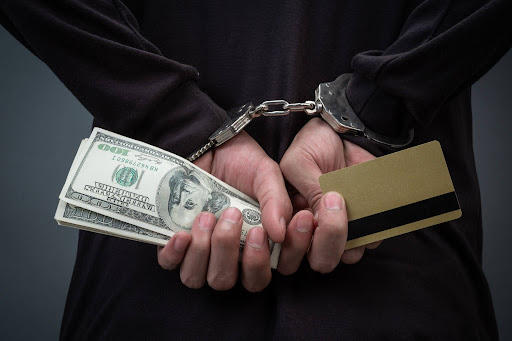
Last April a property manager in Martin County, Florida was arrested and charged with 124 felony counts after allegedly stealing nearly $200,000 from multiple HOA communities she was hired to serve. According to the Martin County Sheriff’s Office the alleged scheme ran for nearly a full year. She reportedly wrote checks to herself, created fictitious invoices to make the payments look legitimate, falsified the ledger entries to hide them, and forged the signatures of authorized account holders. The Martin County Sheriff was direct about what was left: nothing. The money was gone.
The boards in those communities had no idea it was happening. The property manager was responsive. She attended meetings. Her demeanor was professional. Nobody saw it coming.
That is almost always how these cases go.
How This Type of Fraud Happens
The case follows a pattern that investigators see repeatedly in HOA fraud. One person has both access to the funds and control over the records. When the same person who can authorize payments is also the one keeping the books, there is no independent check on what they are doing.
According to the Martin County Sheriff’s Office, the alleged scheme started small – amounts of around $2,000, repeated multiple times a week. Over time it added up. The fictitious invoices and falsified ledger entries made the disbursements look legitimate. Without a bank reconciliation process in place, the gap between what the records showed and what was actually in the accounts went undetected for months.
The fraud allegedly ran for nearly a full year before the HOAs caught it through their own internal reviews.
What Could Have Stopped It
The controls that prevent this kind of fraud are not complicated. They are just not always in place.
- Two person payment approval. No single person should have the ability to authorize and execute a payment on their own. Requiring two approvers — whether board members, a manager, or both — to approve every disbursement before it is processed closes the most common path to this type of theft.
- Bank reconciliation reports every month. The bank reconciliation report proves that what the financial statements show matches the bank statements. The difference line at the bottom should always be zero. If it is not, something needs to be investigated immediately. This is the report that would have flagged the discrepancy between what the ledger showed and what was actually going out of the accounts.
- Separation of duties. The person preparing invoices for payment should not be the same person approving them. The person keeping the books should not be the same person with signing authority on the accounts. When one person controls both sides of a transaction, fraud becomes much easier to conceal.
- Regular review of financial statements by multiple board members. The Martin County case was eventually caught through internal financial reviews by the HOA boards themselves. Boards that review their financial reports every month – not just the treasurer but multiple board members – are far more likely to spot something unusual before it compounds.
- Comparative income and expense statements. Boards that review actual expenses against their approved budget every month have a built-in early warning system. A large variance between what was budgeted and what was actually spent is a signal to start asking questions. In the Martin County case, unusual disbursements showing up against budget lines would have been a reason to investigate long before the damage reached $200,000.
- Verified bank statements. Board members should be able to see actual bank transactions and check images, not just summary reports prepared by their accounting provider. At Community Financials, bank transactions and check images are viewable directly through the online portal, so boards have access to the source records alongside their monthly financial reports.
What This Means for Your Board
The boards in Martin County did the right thing when they found the irregularities — they reported them to law enforcement immediately. The investigation is ongoing and additional victims may be identified.
But nearly $200,000 is allegedly gone and may never be recovered.
The lesson is not that every property manager or accounting provider is a fraud risk. The vast majority are not. The lesson is that financial controls exist to protect communities regardless of who is handling the money. Good controls protect honest providers from false accusations. And they stop bad actors before the damage becomes irreversible.
If your board is not sure whether the right controls are in place, these are the questions worth asking right now:
- Does any single person have the ability to both prepare and approve payments without a second set of eyes?
- Are you receiving bank reconciliation reports every month?
- Are multiple board members reviewing the financial statements — not just the treasurer?
- Do your board members have access to actual bank transactions, either through your financial report package or directly through your accounting software?
If the answer to any of those is no, that is worth addressing before something goes wrong.
How Community Financials Approaches This
At Community Financials every client relationship is built around the controls described above. We require two board members to approve every payment through our online bill approval system. We provide bank reconciliation reports every month as a standard part of every financial packet. And we maintain a clear separation between the people preparing financial information and the people with payment disbursement authority.
These are not extras. They are the foundation of how we operate because we have seen what happens when they are not in place.
If your community does not currently have these controls in place and you would like to talk about what that looks like, we would be glad to have that conversation.
Schedule a call at CommunityFinancials.com or call 833-CONDO-HOA.
Important Disclaimer: This post is for educational purposes only and does not constitute legal, tax, or financial advice. The Martin County case described in this post is based on reports from the Martin County Sheriff’s Office and local news outlets. The case is ongoing and no verdict has been reached. Always consult a qualified attorney and CPA for guidance specific to your community.